Do Oils and Scents Really Repel Lice?
When it comes to keeping lice away, parents are always on the lookout for natural, non-toxic solutions. One of the most common pieces of advice floating around is that certain scents — like tea tree oil, lavender, or peppermint — can help repel lice. But do they really work?
The short answer: while lice don’t like certain smells, no oil or spray is a foolproof shield. Still, using these scents as part of your prevention routine can help reduce the chances of an infestation. Here’s what you should know.
Scents That Lice Don’t Like
Research shows lice are less attracted to some natural scents, which is why they’re often used in preventative sprays. The most popular include:
- Tea Tree Oil: one of the best-known natural lice deterrents.
- Lavender: soothing for people, irritating for lice.
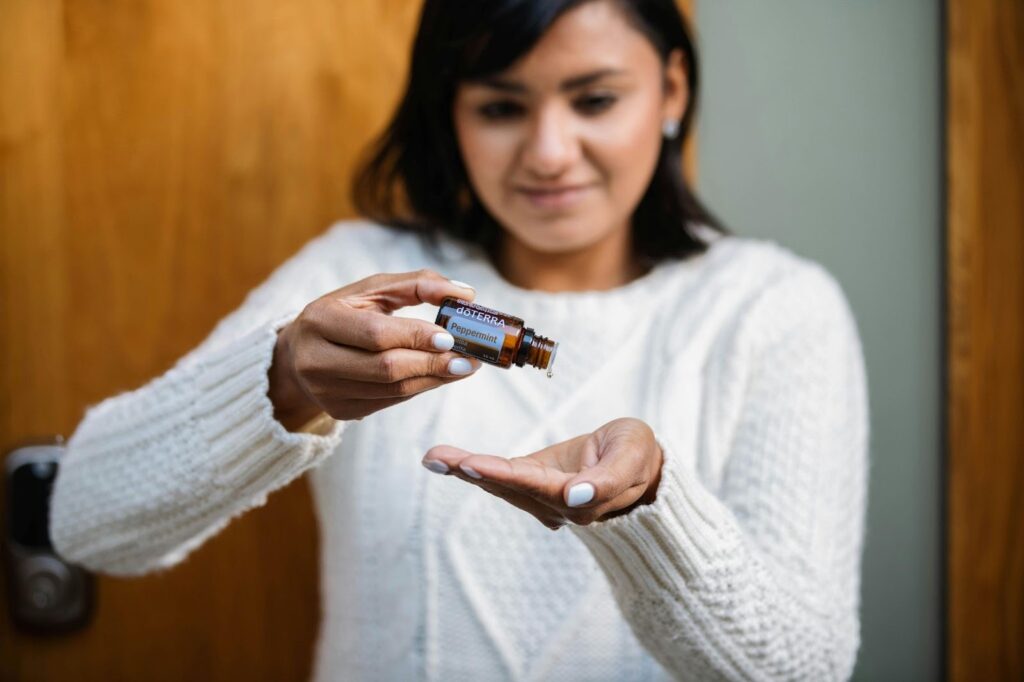
- Peppermint: lice don’t love the strong smell.
- Eucalyptus & Rosemary: refreshing scents that may help keep lice at bay.
- Coconut Oil & Neem Oil: not just fragrant, but also make it harder for lice to cling to hair.
Parents can add a few drops of these oils to shampoos, sprays, or detanglers, or buy pre-made prevention products that already contain them.
Want peace of mind? Ask us about lice prevention products you can safely use at home between head checks.
How Effective Are They Really?
It’s important to remember that oils and scents are repellents, not treatments. They might make your child’s hair less appealing to lice, but they don’t kill bugs or eggs if lice are already present. Families who rely on oils alone often find that infestations still happen — especially during peak seasons like back-to-school or summer camp.
Think of oils as an “extra layer of defense,” not the whole plan. Regular head checks are still the most reliable way to catch lice early.
Safe Ways to Use Oils
Essential oils can be very strong, so always dilute them properly before applying to skin or hair. A few tips:
- Mix a few drops into shampoo, conditioner, or detangler.
- Create a light spray by diluting oils with water and a carrier oil (like coconut or jojoba).
- Never apply undiluted essential oils directly to the scalp — they can cause irritation.
For younger kids or sensitive skin, look for store-bought lice prevention sprays that are already safely formulated. If you have access to those essential oils, you can always add them to water or witch hazel in a spray bottle for your own DIY defense spray.
The Bottom Line on Oils & Lice Prevention
Using oils and scents is a simple, natural way to help reduce the risk of lice, but they’re not a guarantee. For true prevention, combine them with good habits like keeping long hair tied back, avoiding shared hats or brushes, and scheduling regular head checks.